GEON works in inverter battery solutions and helps households and businesses across India recognise these signs early and choose the right replacement before an old battery fails unexpectedly. Enquire Now if your battery is showing any of these signs.
Shorter Backup Time Than Before
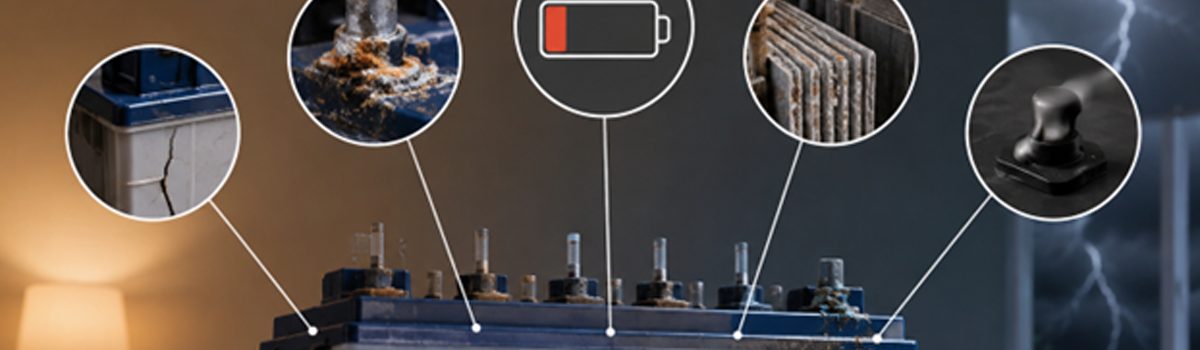
The most common and most reliable sign of a battery reaching the end of its useful life is a clear drop in how long it powers your home during an outage compared to when it was new. Every battery loses some capacity as it ages, which is normal, but a sharp or sudden drop, rather than a slow gradual decline, usually signals the battery is close to needing replacement.
A simple way to notice this early is paying attention during actual power cuts rather than waiting for a formal capacity test, since a battery that once ran the essentials for three hours but now barely manages one is showing a clear and measurable decline.
Longer Charging Time Than Usual
A battery that used to reach full charge in a predictable number of hours but now takes noticeably longer is often struggling internally, even if it still eventually reaches full charge. This usually points to increased internal resistance within the battery, a normal part of the aging process that also reduces how efficiently the battery can store and deliver power.
This sign is sometimes overlooked because the battery does still charge, just slowly, but it is one of the earliest and most consistent indicators that a battery is degrading well before it stops working altogether.
Visible Swelling or Bulging
A battery casing that looks swollen, bulged, or physically deformed compared to its original shape is a serious warning sign and should not be ignored or left in use. Swelling generally indicates internal gas buildup from chemical breakdown inside the battery, and a swollen battery should be disconnected and replaced rather than continued to be used, since this condition can progress to leakage or, in rarer cases, further damage if left unaddressed.
This is one sign where waiting for further confirmation is not worth the risk, and a battery showing this symptom should be treated as needing immediate replacement.
Unusual Smells or Sounds During Charging
A battery that gives off a noticeable chemical smell or makes hissing or bubbling sounds while charging is signalling that something inside is not behaving normally. Lead acid batteries do release some gas during normal charging, but a strong or new smell, or a sound that has clearly changed from how the battery used to behave, points to a battery nearing failure rather than routine operation.
This sign is worth checking on periodically, particularly for a battery installed in an enclosed space, since it is both a battery health indicator and a basic safety consideration.
Frequent Inverter Fault Warnings or Beeping
An inverter that beeps, displays a fault code, or cuts power more often than it used to, without any change in the connected load, is frequently responding to a battery that can no longer deliver power consistently rather than a fault in the inverter itself. Many inverters are designed to flag battery related issues specifically, so recurring warnings are worth investigating at the battery level before assuming the inverter is the problem.
Ruling the battery in or out early, rather than replacing the inverter first, often solves the issue faster and at lower cost.
How Long Should an Inverter Battery Actually Last
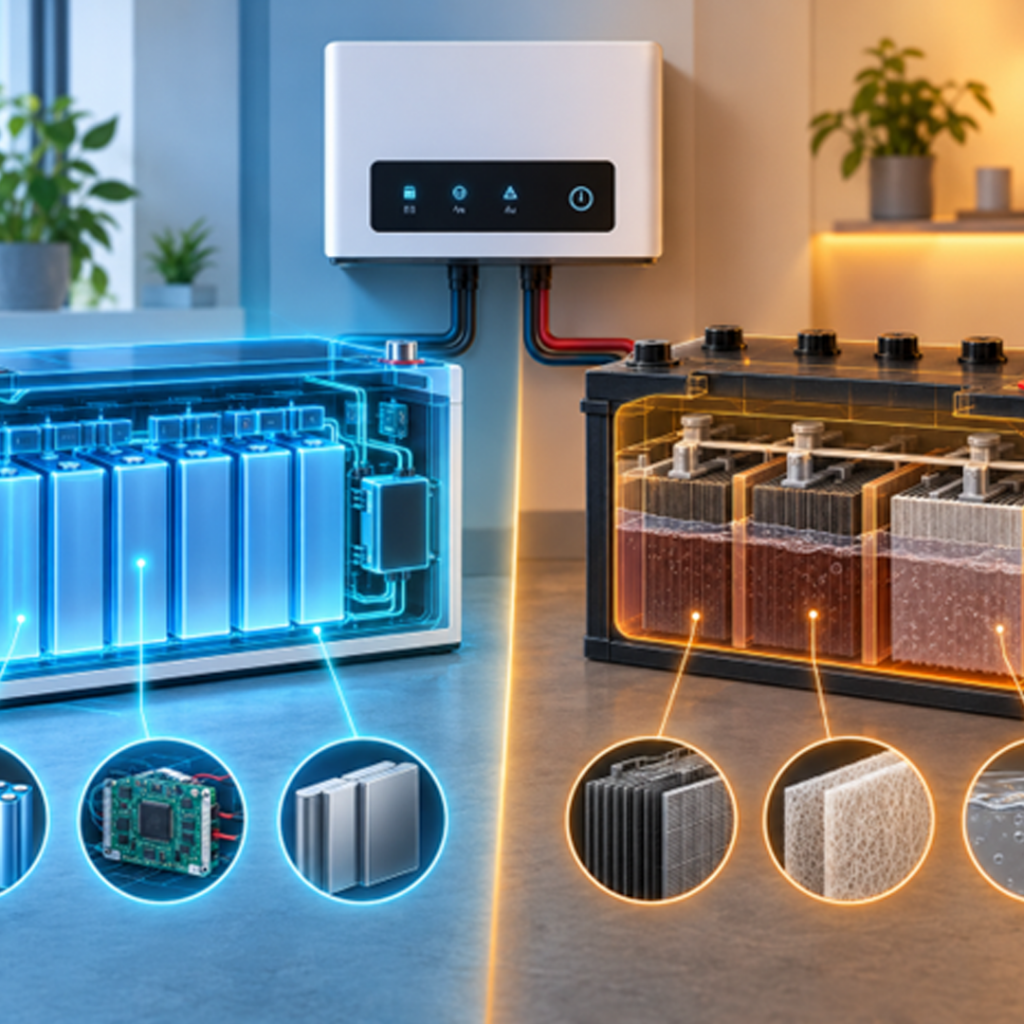
Expected lifespan varies meaningfully by battery chemistry, which is useful context when deciding whether a battery showing early signs is simply due for replacement on schedule or failing prematurely. A lead acid battery typically lasts three to five years under normal home use, while a lithium battery generally lasts eight to ten years or more under similar conditions. A battery showing multiple signs from this list well before its expected lifespan may point to a usage or maintenance issue worth addressing alongside the replacement itself, such as inconsistent charging habits or inadequate ventilation.
Do Not Wait for Complete Failure
An inverter battery rarely fails without warning. Shorter backup time, slower charging, visible swelling, unusual smells or sounds, and frequent inverter faults are all signs worth acting on before the battery stops working entirely, ideally during a period without an active power cut rather than in the middle of one. Recognising these signs early turns a stressful, urgent replacement into a planned one.
Enquire Now to get your battery assessed and find the right replacement before it fails.