GEON works in E-Mobility and battery solutions and builds EV battery systems designed to charge efficiently without compromising long term battery health. Enquire Now to learn more about our EV battery systems.
Why Charging Time Is Not a Single Number
EV charging time depends on the interaction between three main factors, the size of the battery in kilowatt hours, the maximum charging power the charger can deliver, and the maximum charging power the vehicle battery itself can accept. A larger battery simply holds more energy and takes proportionally longer to fill at any given charging speed, while a smaller battery, common in electric two wheelers and entry level electric cars, charges considerably faster even on the same charger.
This is why two different EVs plugged into the exact same charger can show very different charging times, and why the same EV can charge at dramatically different speeds depending on whether it is connected to a home charger or a public fast charger.
Home AC Charging, the Everyday Option
Most EV owners in India do the bulk of their charging at home overnight using an AC charger, commonly rated between 3 kW and 7 kW for home installations. On this type of charger, a full charge for a typical electric car battery generally takes somewhere between six and ten hours, which comfortably fits an overnight charging window and means the vehicle starts each day with a full battery without any active effort from the owner.
Electric two wheelers, with much smaller batteries, usually charge fully on a home outlet in three to six hours, making overnight or workday charging simple to fit into a normal routine.
DC Fast Charging, the Quick Top Up Option
Public DC fast chargers operate at a much higher power level, often 50 kW and above for cars, and are built for quick top ups rather than routine daily charging. On a fast charger, many EVs can charge from a low state of charge to around 80 percent in thirty minutes to an hour, which is useful for longer trips or when a quick top up is needed between errands.
Charging speed on a DC fast charger typically slows down noticeably past 80 percent, since the battery management system deliberately reduces charging power as the battery nears full to protect the cells from stress, which is why most fast charging guidance focuses on the 80 percent mark rather than a full 100 percent charge.
What Actually Limits Charging Speed
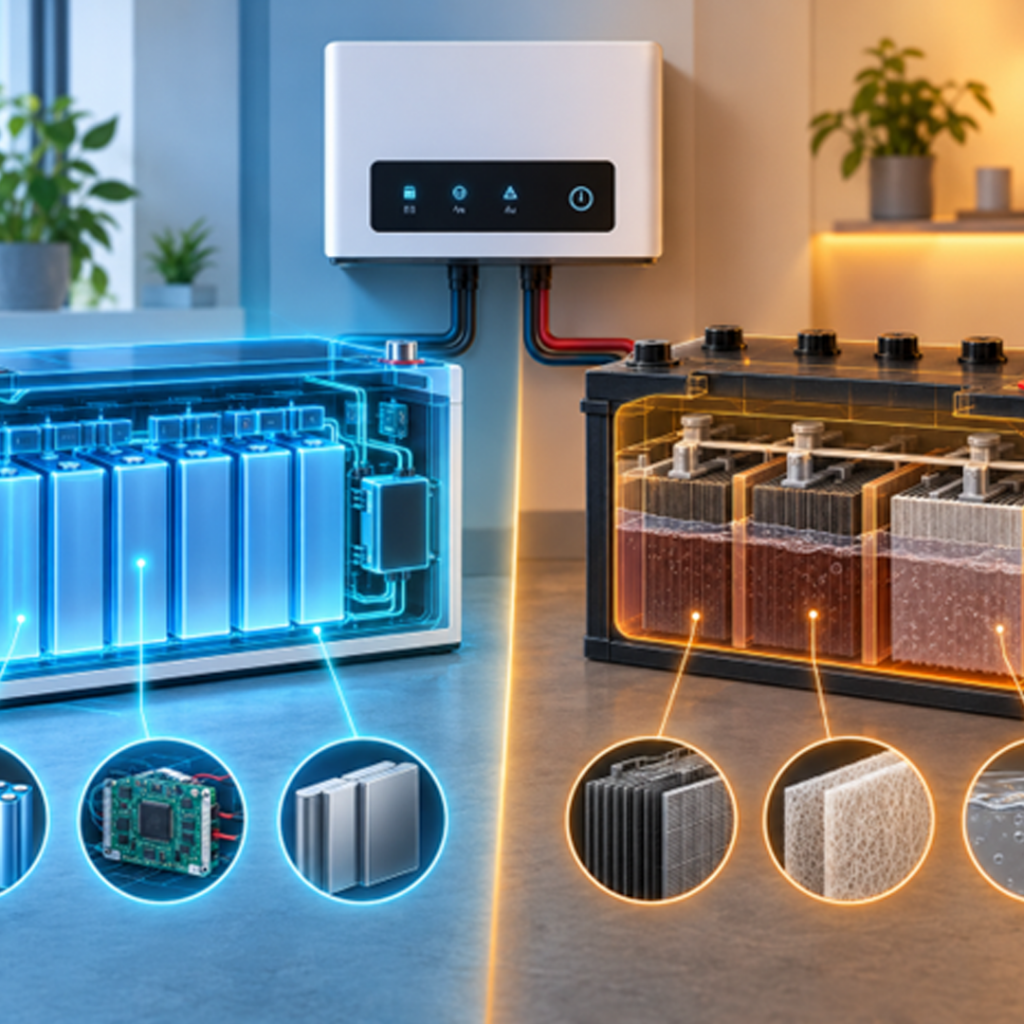
A few factors determine how fast a specific EV can actually charge, beyond the simple charger rating printed on the equipment. The vehicle battery management system sets a maximum acceptance rate that the battery is allowed to charge at, and this internal limit, not just the charger, often determines real world charging speed. Battery temperature also plays a role, since charging is generally faster when a battery is within its optimal temperature range and slower in very cold or very hot conditions, which is a genuine consideration across different Indian climates through the year. And battery chemistry matters as well, since some chemistries, including lithium iron phosphate commonly used in Indian EVs, are engineered to accept charging safely across a wider range of conditions than others.
Fast Charging Every Day Versus Occasional Fast Charging
A common question among new EV owners is whether relying on fast charging every day damages the battery over time compared to slower home charging. Occasional fast charging, for trips or top ups, has a negligible long term effect on most modern EV batteries, since the battery management system is specifically designed to manage this safely.
Relying on fast charging as the primary daily charging method, rather than occasionally, does generate more heat and places more consistent stress on the battery over years of use compared to slower overnight AC charging, which is why home or workplace AC charging remains the better default for daily use whenever it is a practical option, with fast charging reserved for when it is actually needed.
Plan Charging Around Your Actual Routine
EV battery charging time is not one fixed number, it depends on battery size, charger type, and how the battery management system handles the process. For most owners, slower overnight AC charging at home covers daily needs comfortably, while fast charging remains available for longer trips or unplanned top ups. Understanding this difference helps set realistic expectations before making the switch to an EV.
Enquire Now to learn more about GEON EV battery systems built for efficient, long lasting charging.