Home charging is better for riders with a safe parking spot and moderate daily distances. Battery swapping is better for riders who cover long distances every day, cannot charge at home or cannot afford to wait. Many riders will find that one clearly fits their routine.
GEON works across swapping and charging solutions alongside two wheeler EV batteries, so this is a question we hear a lot.
How home charging works
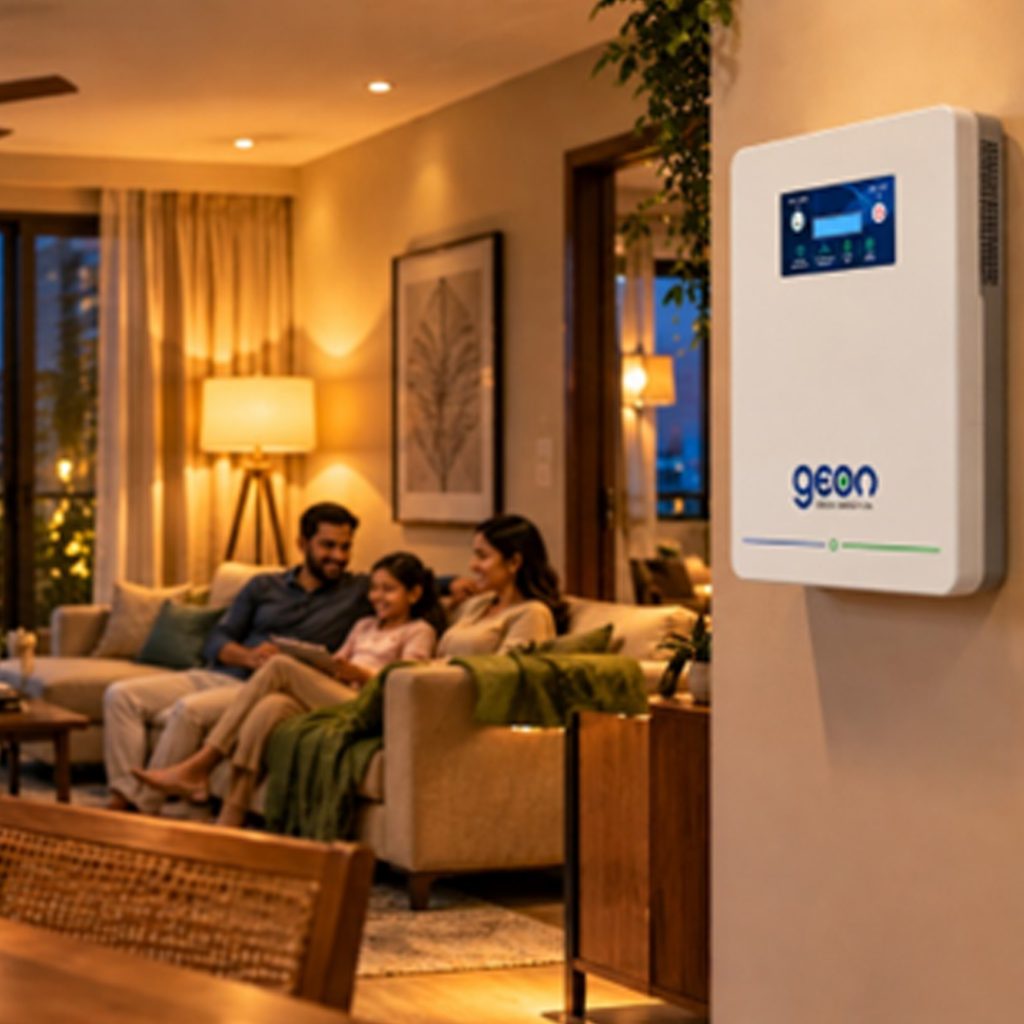
You park, plug in and let the battery fill over a few hours, usually overnight. The charger is matched to your battery and its battery management system, and you pay only for the electricity you use.
It needs parking with a safe, earthed socket. It is usually the lowest running cost per kilometre. And you own and look after the battery.
How battery swapping works
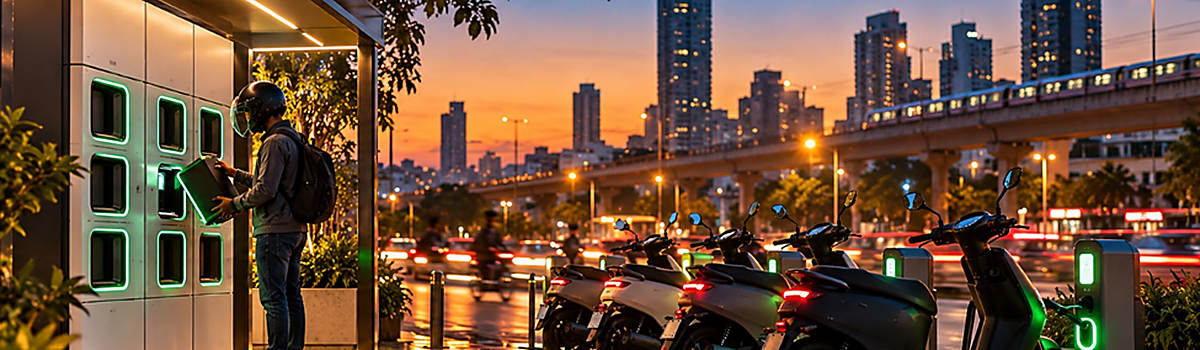
You ride into a station with a depleted battery and ride out with a charged one in a couple of minutes. The station charges and checks the battery you leave behind, and you usually pay per swap or through a subscription.
It needs a vehicle with a swappable battery and stations on your route. It adds a service fee for the convenience. And some models let you buy the vehicle without the battery, which can lower the starting price.
The 30 second self check
Think about your week and answer honestly.
Do you ride more than about 80 km a day?
Do you have no safe place to charge at home, for example in an apartment building?
Does waiting for a charge cost you money or time?
Is there a swap station on your daily route, and does your vehicle support swapping?
If your vehicle does not have a swappable battery, or there is no station on your route, swapping is not practical for you yet, and home or workplace charging is your answer. If you ticked the first three and a station is nearby, swapping will probably suit you well. If you ticked one or two, a mix works nicely: charge at home most days and swap on the long days.
Side by side
Time. Home charging takes hours, often while you sleep. Swapping takes minutes.
What you need. Home charging needs parking and a safe socket. Swapping needs a station on your route.
Cost pattern. Home charging is usually cheaper per kilometre. Swapping adds a service fee for convenience.
Upfront price. With home charging the battery comes with the vehicle. With swapping it can be lower if the battery is leased.
Battery care. At home you manage it. With swapping the operator manages it.
Home charging suits moderate daily commutes, riders with dedicated parking and anyone who wants the lowest running cost.
Swapping suits delivery and gig riders with long days, apartment residents without a charge point and riders who cannot afford to wait.
Before you commit to a swap plan
Are the stations close to your daily route, not just your home?
Do you know the price per swap or the subscription terms?
Is the battery compatible with your vehicle?
What happens when a station is down?
How does the operator monitor battery health?
Charging at home safely
- Use the original charger made for your battery
- Plug into a properly earthed socket with suitable wiring
- Avoid charging in direct sun or extreme heat
- Do not charge a battery that is visibly damaged or swollen
- Keep the area ventilated and clear of clutter
Frequently Asked Questions
What is battery swapping for electric two wheelers?
Battery swapping means replacing a depleted battery with a charged one at a station, usually in a couple of minutes, instead of waiting for it to charge.
Is battery swapping cheaper than home charging?
Usually not per kilometre, since swapping includes a service fee. It can lower upfront cost if the battery is leased or subscribed separately.
How long does it take to swap an EV battery?
Typically a couple of minutes at a compatible station, far quicker than a full charge.
Can I charge my electric scooter at home?
Yes, if you have parking with a safe socket. Most home charging happens overnight with the charger supplied for that battery.
Which is better for delivery riders?
Swapping often suits delivery riders because they cover long distances every day and lose earnings while waiting for a charge.
Do all electric two wheelers support swapping?
No. The vehicle needs a swappable battery design that matches the network’s batteries, so check compatibility before you buy.
Related reading: How Safe Is It to Use Lithium Ion Batteries
Related reading: How Long Does an EV Battery Take to Charge
Related reading: Why Does My Electric Scooter’s Range Drop
Pick the option that fits your day
If you have a safe place to charge overnight, home charging is simple and economical. If your day is long or you have nowhere to plug in, swapping keeps you on the road.
Want to explore charging options? Call GEON on +91-022-6735 3333, email info@geon-energy.com, or visit us at Fortune Terraces, 10th Floor, B Wing, Opp. Citi Mall, Link Road, Andheri (West), Mumbai 400053.